
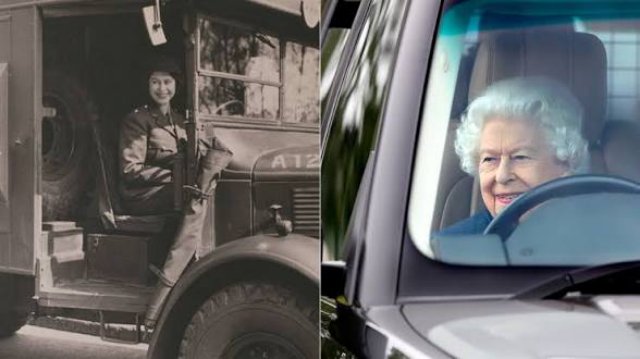
Land Rover’s greatest strength is not simply what the vehicle can do, but what it represents. Plenty of manufacturers produce capable 4x4s, so capability alone cannot guarantee a lasting competitive advantage. The heritage, stories and emotional connections are what make Land Rover difficult to imitate. Those familiar images of Queen Elizabeth II with a Land Rover are part of that history.
The challenge is maintaining authenticity as consumer behaviour changes. This is a brand that lives in the realm of nostalgia. Beverland (2005) links authenticity to a brand’s history and the values it communicates. I think Land Rover faces the question of how to preserve that meaning while continuing to evolve. For me, even a change in ownership can alter how a familiar brand feels. When the vehicle is used in a city rather than the remote landscape of its advertising, the story still has to resonate with the person behind the wheel.
Electrification makes the tension especially interesting. How can a brand respond to changing expectations around sustainability while preserving the adventure, resilience and prestige that people associate with it? My own experience with electric motoring has left me cautious about how it fits my life. That is a personal reaction, but it points to a wider branding question: will customers see a technological change as a natural evolution of the brand, or as a loss of something they valued?
Nostalgia also links closely to Keller’s (1993) concept of customer-based brand equity. Emotional associations built over decades can become a stronger source of competitive advantage than product features alone, especially when competitors can replicate technology more quickly than a brand’s history and meaning. My own preference is to go back to an old, dinged-up Defender. Sometimes the thing that looks least new is exactly what makes a brand feel like itself.
References.
- Beverland, M. (2005). Crafting brand authenticity: The case of luxury wines. Journal of Management Studies, 42(5), 1003-1029.
- Keller, K. L. (1993). Conceptualising, measuring, and managing customer-based brand equity. Journal of Marketing, 57(1), 1-22.