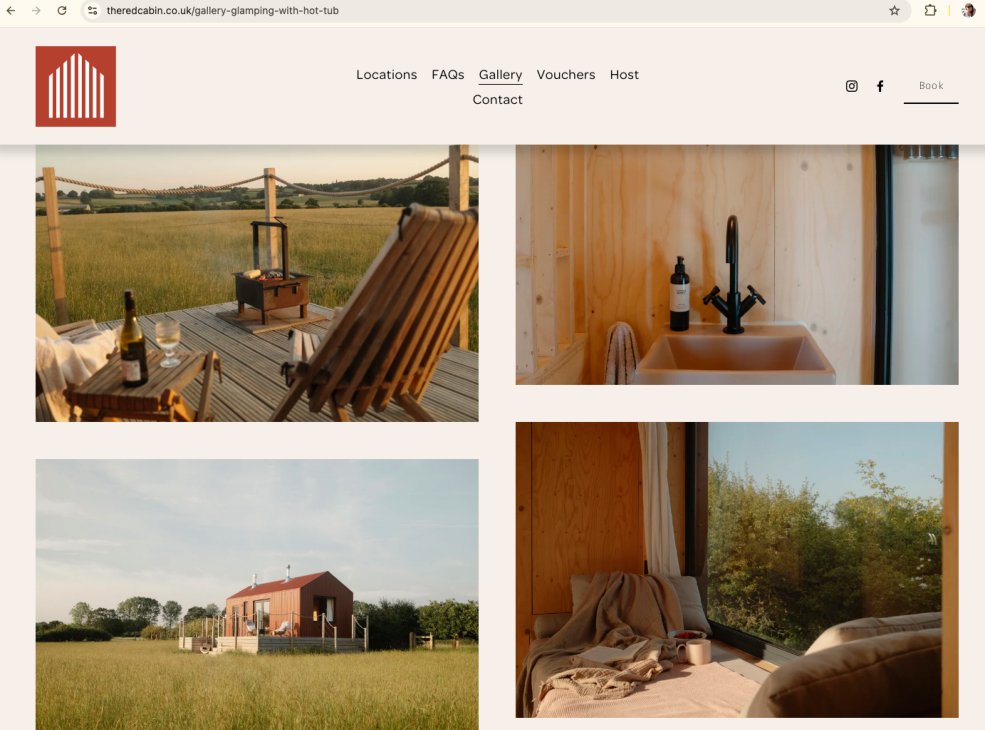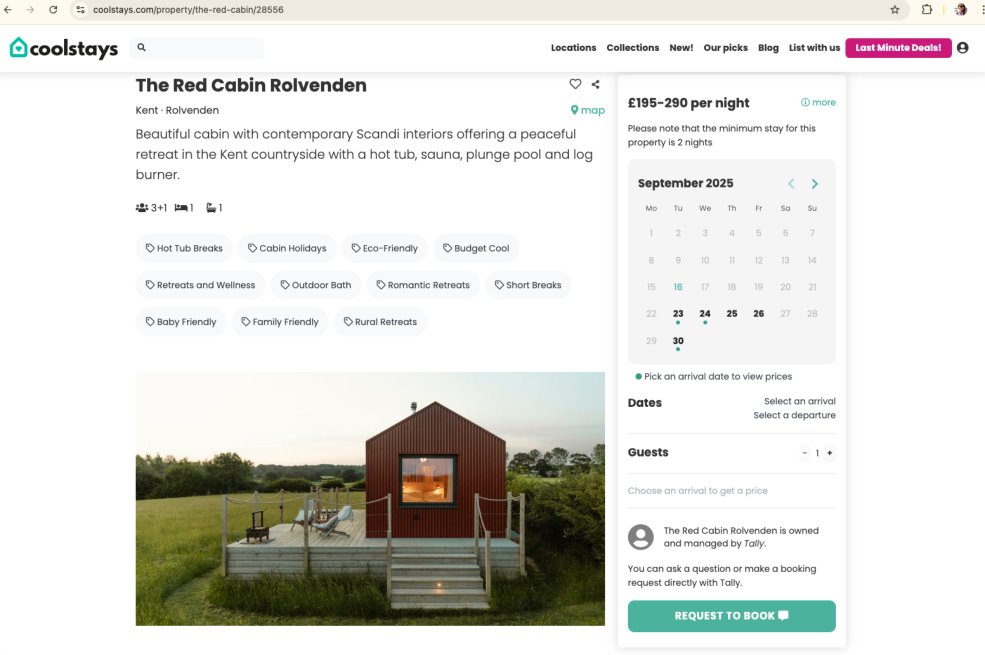
The Red Cabin belongs to a friend, which explains why I keep bringing it up. It also gives me a much more enjoyable way to picture the customer journey: woodlands, firelight, mugs of tea, and the moment someone finally says, “Fine, Fiona, I’ll have a look.”
Imagine the following journey. It is a story about how content might work, not a promise of particular offers or a record of what every guest does.
Awareness: “OK, she keeps mentioning this…” You click through and the photographs appear. It actually looks cute. Not the murder shack you had imagined. This is the attention stage: images and stories that make you curious enough to look closer (Petrescu et al., 2020).
Consideration: “But wait, is this legit?” Your inner sceptic wonders whether you are about to be lured into a muddy field. This is where genuine reviews, practical information and clear answers can help someone judge the experience. The question changes from “Does it look lovely?” to “Would it work for me?” (Filieri et al., 2021).
Conversion: “Fine, Fiona, how much is it?” The photographs have done their job, but now the details matter: the price, the dates, what is included and how to book. I like the idea of a little local welcome basket as part of that experience. Whatever the offer, it needs to be clear and genuine. A visible call to action helps only when people understand what they are choosing (Chaffey & Smith, 2022).
Experience: “Oh wow, she wasn’t lying.” In my imagined stay, the cabin feels cosy, the welcome is warm and something spontaneous happens that is worth sharing. Perhaps it is a funny moment around the farm, a photograph by the fire or a clear night full of stars. The guest becomes part of the story, rather than simply the audience for an advertisement.
That is what interests me about content created by guests. Someone takes care of you, you care about the place, and sharing a memory can become a way of returning the favour. It is a form of participation, not just free advertising on demand (Sigala, 2018).
Loyalty: a thoughtful message after the visit could invite someone back without making them feel processed through a mailing list. The first stay becomes the beginning of another decision, and perhaps an invitation to bring friends. That is how I picture the loyalty loop (Lemon & Verhoef, 2016).
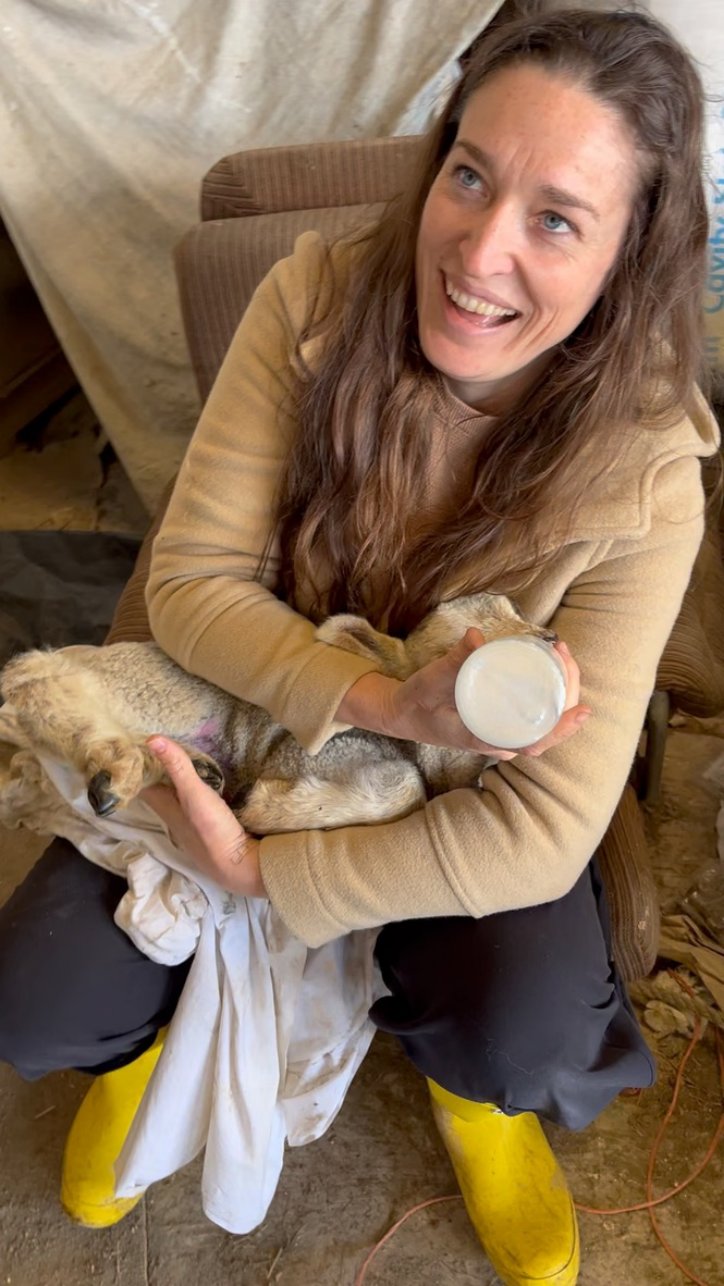
My own less polished contribution to the story is the photograph of me feeding a lamb. The lamb had just peed on me. Try getting that into a perfectly controlled brand guideline.
Could a large hotel group create the same feeling? I think the challenge for a brand such as Accor is how to keep a recognisable voice without polishing out every trace of the people behind it. A message can sound so correct that it stops sounding human.
When I write with a little humour and naturalness, my ideas flow more easily. Work on conversational presentation and humour in learning gives me useful questions to bring into brand communication (Mayer, 2009; Mayer et al., 2004; Banas et al., 2011; Ziv, 1988; Wanzer et al., 2010). I would treat that connection as an idea to test, rather than assume that findings from learning settings guarantee marketing results.
There is a balance between professional consistency and a human voice. My instinct is that a brand can keep its standards while leaving room for warmth, humour and honest imperfection. People are more likely to have something personal to share when they have been allowed to feel part of the place.
Perhaps the question is not whether a large brand can have soul. It is whether the brand will leave enough room for its people and guests to show it.