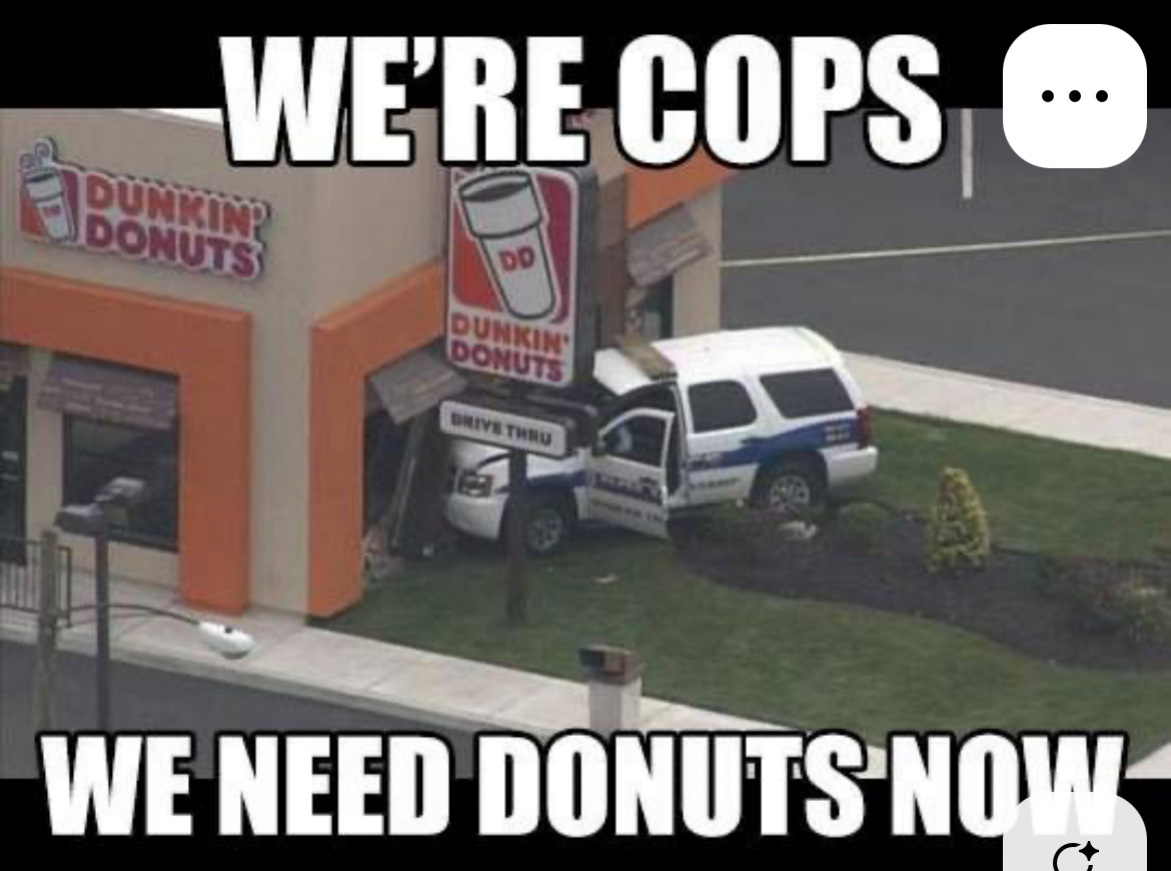
For me, Dunkin’ was often a dependable stop: breakfast on the way somewhere, a box of doughnuts for a familiar occasion, a small routine that required very little thought. That reliability has value. But it felt different from the local cafés where photographs of community teams covered the walls and customers seemed to belong to the place.
That contrast made me wonder how a large brand can protect consistency while allowing a local relationship to grow. A familiar name tells people what to expect. A local gesture tells them that the business has noticed where it is.
I can see the attraction of standardisation. It can simplify operations and make an experience easier to recognise. I can also see the limits: the same message everywhere may miss the small things that make one neighbourhood feel like home.
My question is not whether every franchise should invent a different identity. It is where carefully defined local freedom could add something useful. Community partnerships, a relevant event or an invitation to local people might build a connection without changing the core promise.
That requires listening. A national brand cannot assume that an activity will mean the same thing in every town, and it should avoid turning community support into a hollow photo opportunity.
The café next door has a lesson worth considering: familiarity gets someone through the door, but feeling part of the story can give them a reason to care.