
Cultural dimensions in the beer aisle
When major beer brands expand globally, culture influences what people drink and where, why and how they buy it. Hofstede’s and the GLOBE Project’s cultural dimensions offer lenses for exploring those differences (Soares, Farhangmehr & Shoham, 2007). They are starting points for interpretation, not rules for every person in a country.
Power Distance → Place, Promotion, Physical Evidence
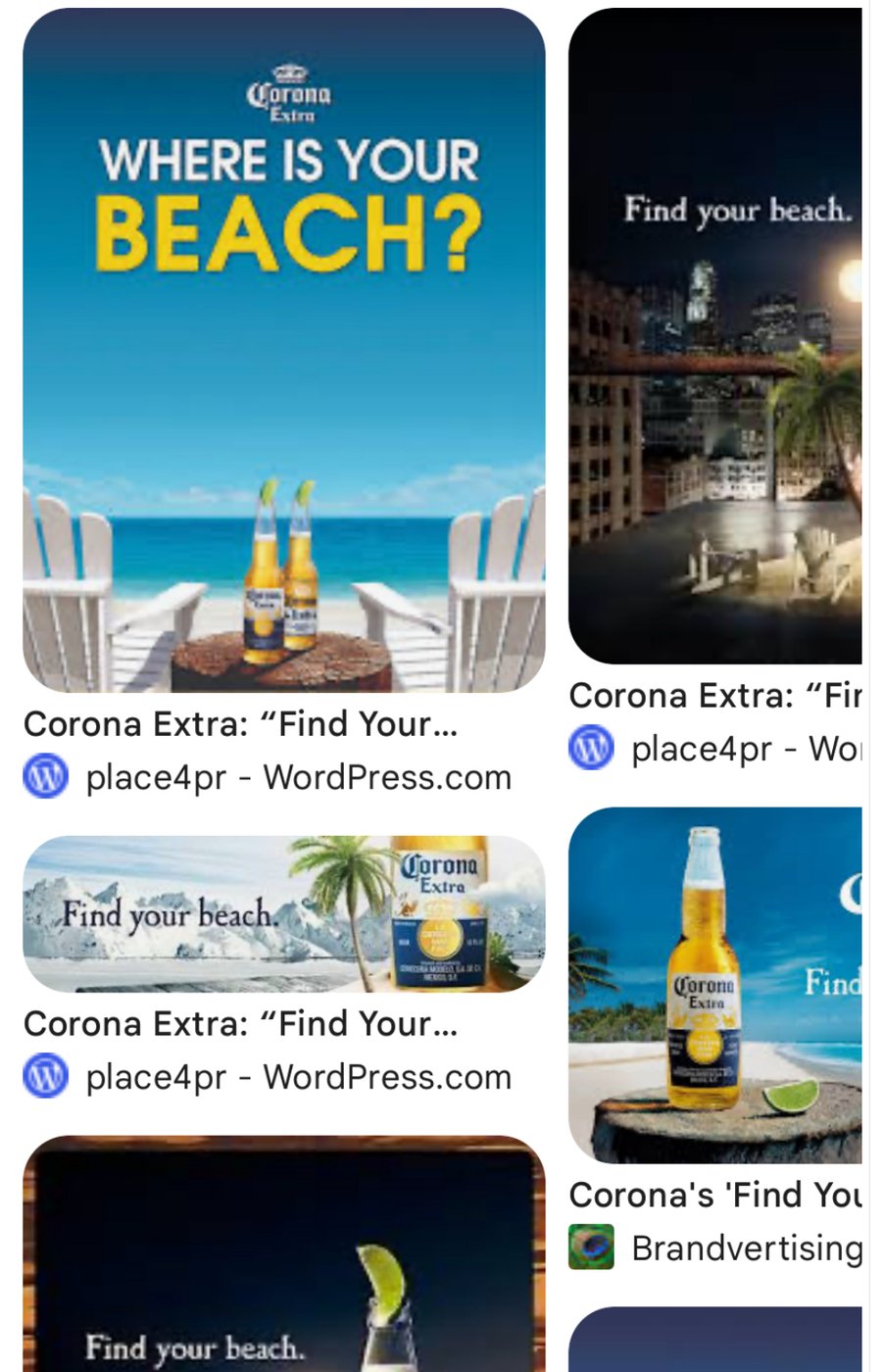
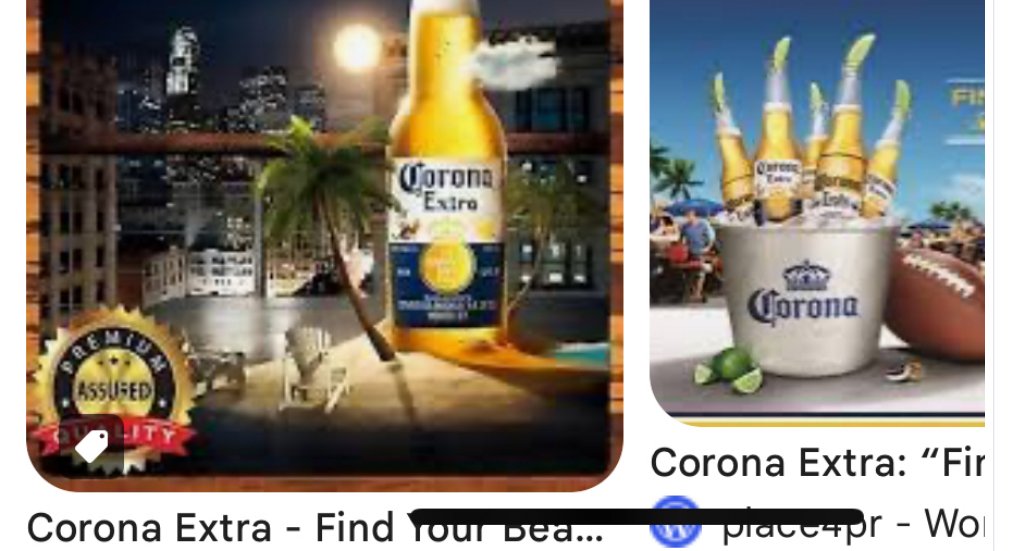
In societies described as having higher power distance, status cues may carry particular weight. Corona’s aspirational escape imagery invites a reading through that lens: premium settings and carefully staged experiences can communicate more than refreshment. Heineken’s inclusive messaging offers a contrasting way to think about accessibility and belonging (Uță, 2021). The practical question is how place, promotion and physical evidence work together for the audience a brand actually wants to reach.
https://www.youtube.com/watch?v=jfbn8a1y9Oc
Uncertainty Avoidance → Product, Process, People
In markets where uncertainty avoidance is relatively high, familiarity and consistent quality may be reassuring. Established product formats, brewing credentials and knowledgeable staff can support that reassurance. Novelty, limited editions and experiential launches offer a different route to trial (Firican, 2022). Neither approach belongs exclusively to one nationality; the balance depends on the occasion and the customer.
Individualism and collectivism: product, promotion and place
Corona’s “Find Your Beach” invites a personal interpretation of escape. A more collective occasion might call for larger packs, shared spaces or festive messaging. This is where cultural understanding can inform product size, promotion and distribution rather than stopping at the wording of an advert (Carvalho de Sá, 2020).
Assertiveness & Performance Orientation → People, Promotion, Process
Budweiser’s bold imagery and celebrity associations can be read through assertiveness and performance orientation. Heineken’s more restrained creative can suggest sophistication and control (Uță, 2021). But there is an awkward—and useful—counterpoint: in its Dutch home market, Heineken can look every bit as lively and familiar as Budweiser does in its own. The framework should help us question a campaign, not force the campaign into a national stereotype.
https://youtu.be/66-YLQ_2qds?feature=shared
References.
- Carvalho de Sá, M. M. (2020). The acculturation effects on immigrants’ engagement with a brand: An exploratory study of cultural transition, associated with geographic location change, and its influences on consumer purchase decision towards a branded alcoholic drink. National College of Ireland. https://norma.ncirl.ie/4701/
- Soares, A. M., Farhangmehr, M. and Shoham, A. (2007). Hofstede’s dimensions of culture in international marketing studies. Journal of Business Research, 60(3), pp. 277–284.
- Uță, I.-C. (2021). Hofstede’s cultural dimensions theory in advertising: KFC, BMW and Heineken. Brand Minds, 22 January. https://brandminds.ro/hofstedes-cultural-dimensions-theory-in-advertising-kfc-bmw-and-heineken/
- Firican, D. A. (2022). The Influence of Hofstede’s Cultural Dimensions on Attitude Towards Change and Innovation in Oganizations. Proceedings of the International Conference on Business Excellence, 16(1), pp. 509–518. https://doi.org/10.2478/picbe-2022-0049