
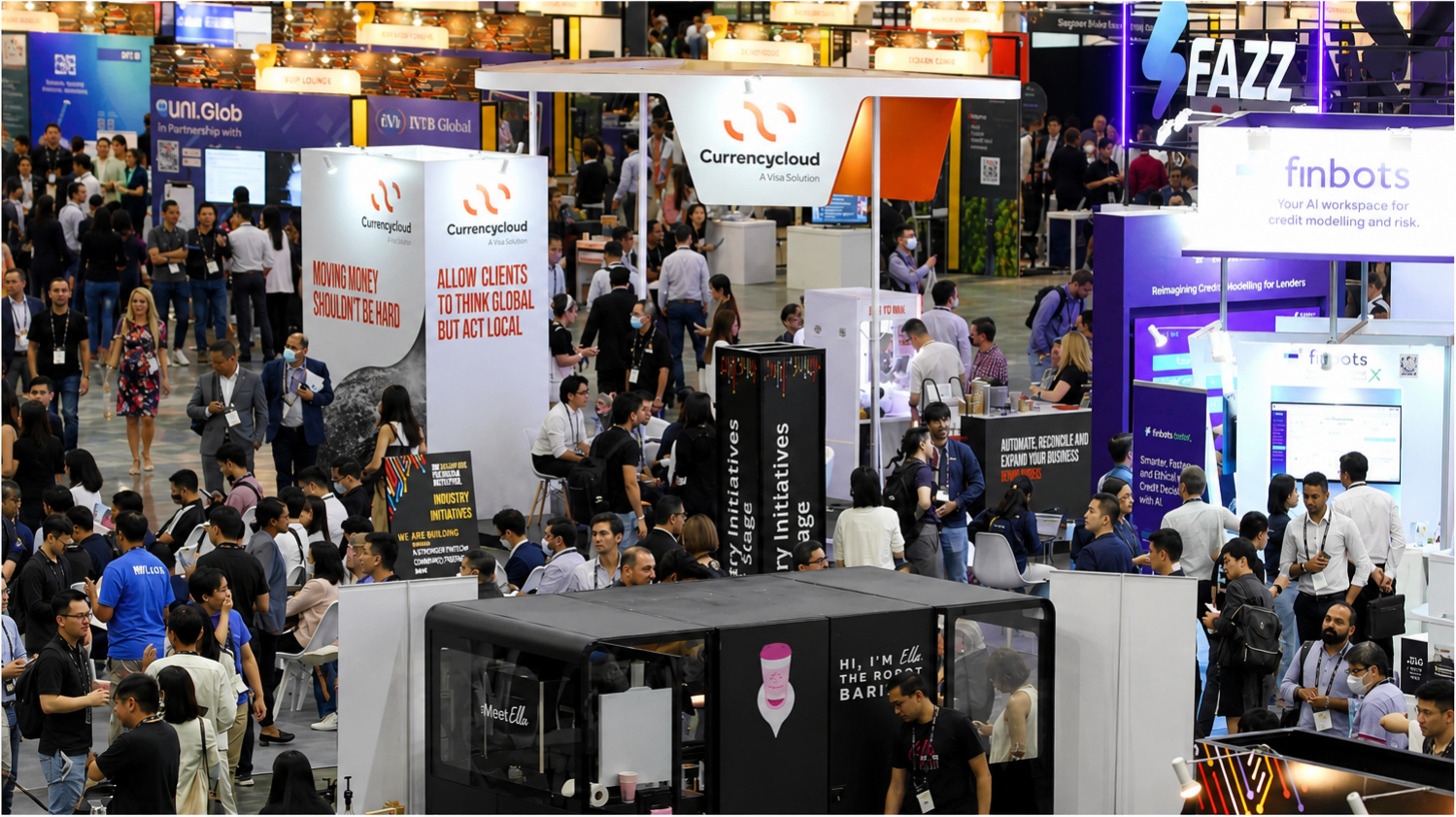
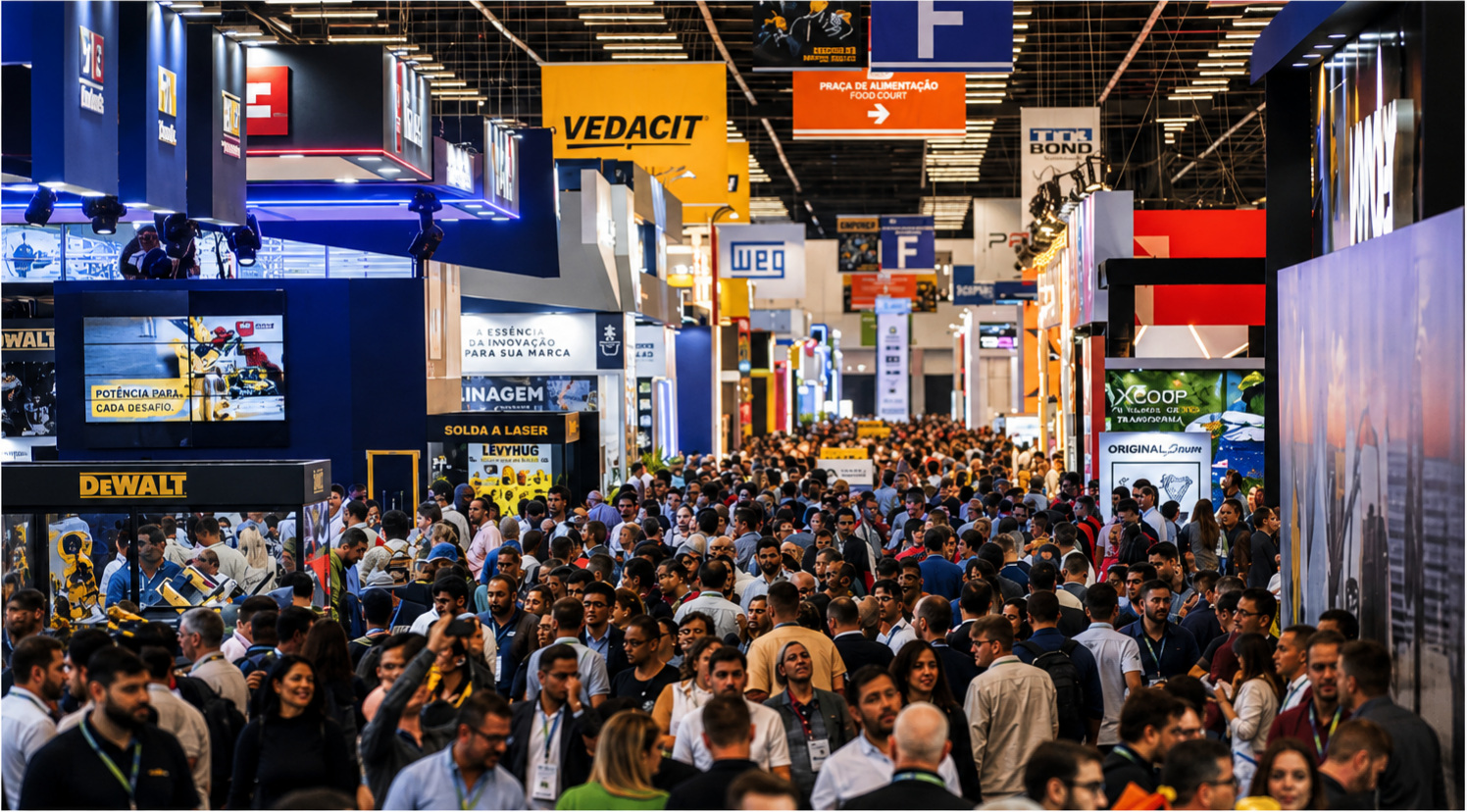
A trade-show stand can be enormous and still leave a very small memory. Having worked across very different events, I have become less interested in whether an exhibition looks impressive and more interested in whether it fits the way customers actually buy.
Consider a specialist compliance-software business. The visitor is not choosing a colourful gadget. They are trying to reduce uncertainty around difficult, consequential work. A rehearsed sales pitch is less useful than a conversation about the problems their team is trying to solve.
That conversation should begin with questions. Where does the current process create work? Which decisions are hard to defend internally? What would colleagues need to see before agreeing to change? Listening makes the demonstration relevant and reveals whether there is a real fit.
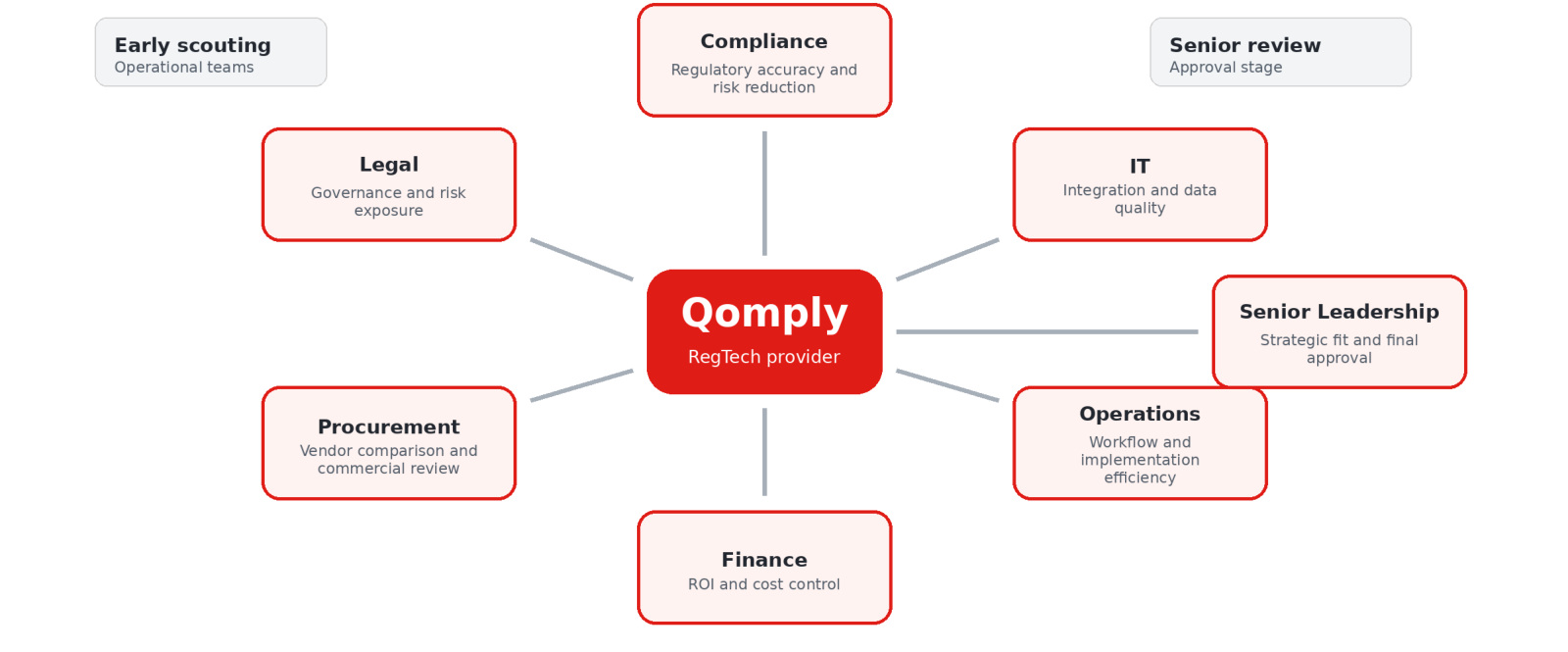
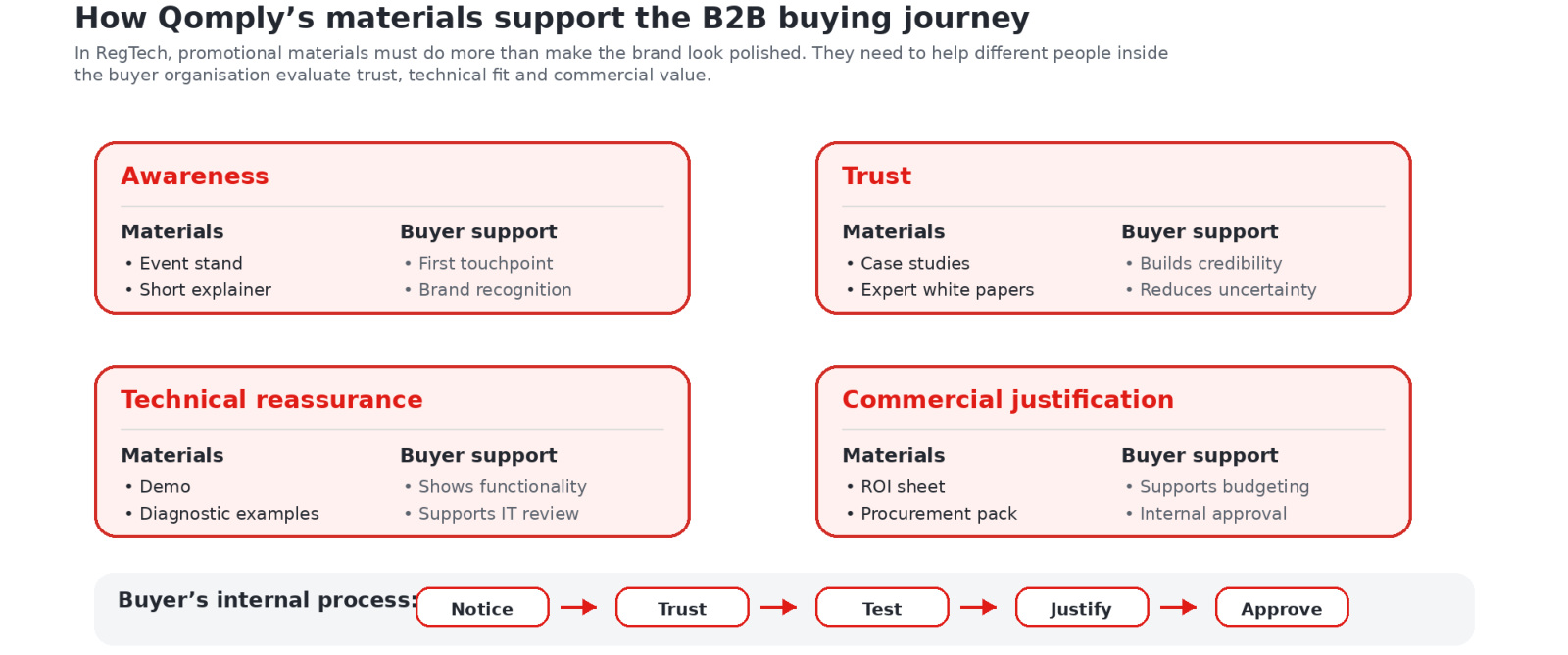
The person at the stand may not sign the contract. They may be the analyst who builds the shortlist, the operations specialist who will use the system, or the colleague sent to investigate alternatives. Treating them as a minor contact would miss their influence. They need material they can take back into the organisation: a clear process map, a credible demonstration, implementation information and an honest explanation of costs and limitations.
Different colleagues will ask different questions. IT wants to understand integration. Operations wants usability. Finance wants a defensible investment. Leadership wants confidence that the supplier can be trusted. One glossy brochure is unlikely to do all those jobs.
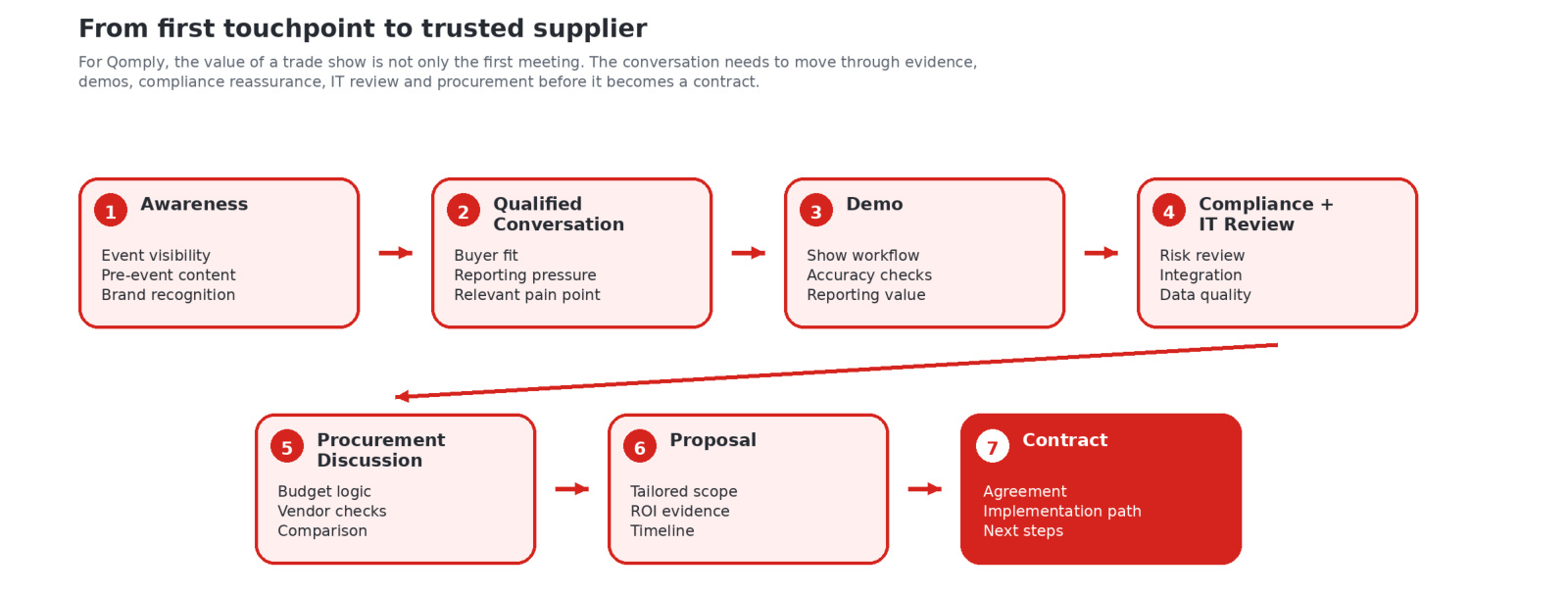
I would plan the event as part of a sequence: relevant contact beforehand, a useful conversation during the event, then an agreed next step afterwards. A booked demonstration or a serious technical meeting can be a better result than a large pile of scanned badges.
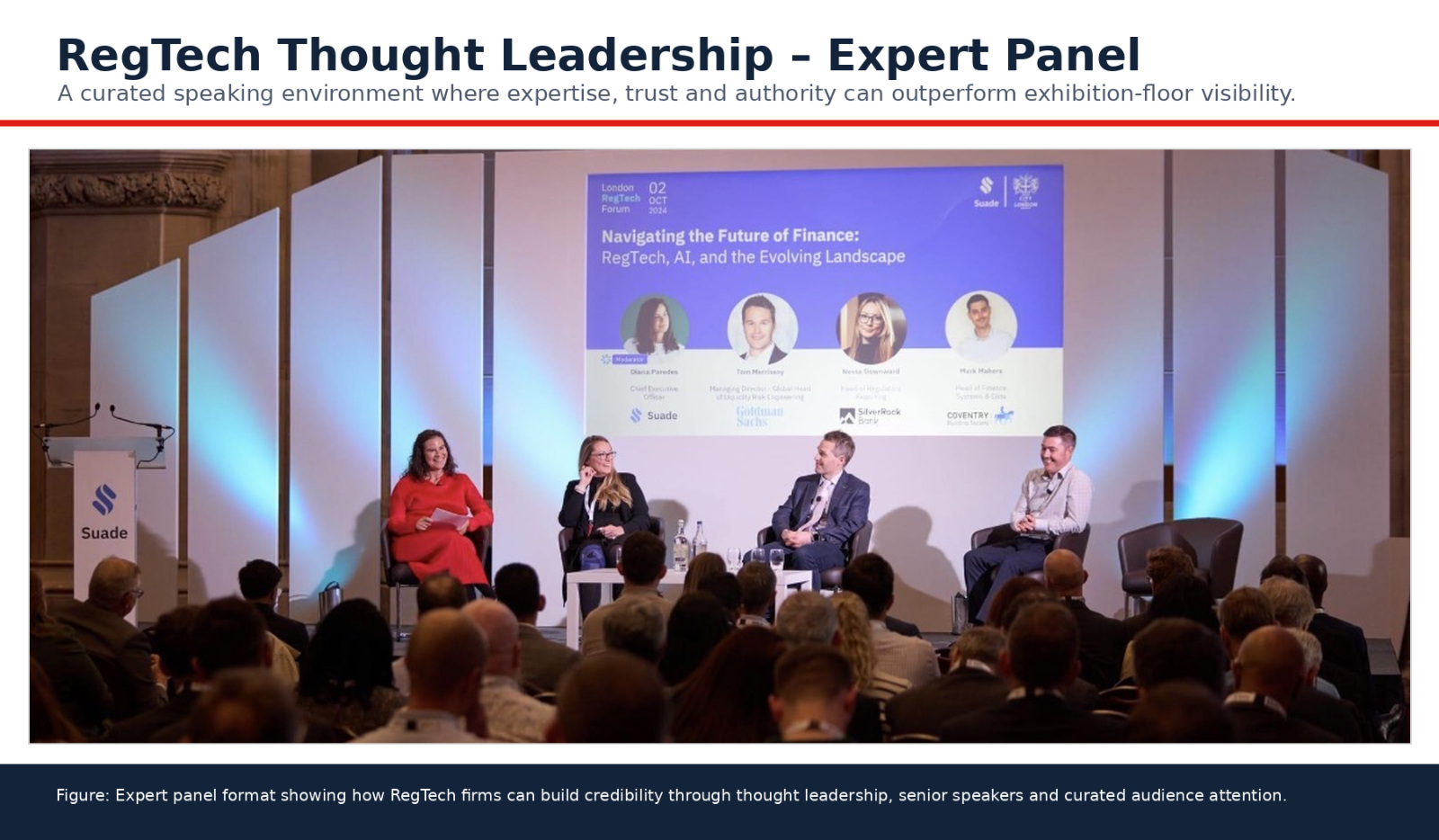
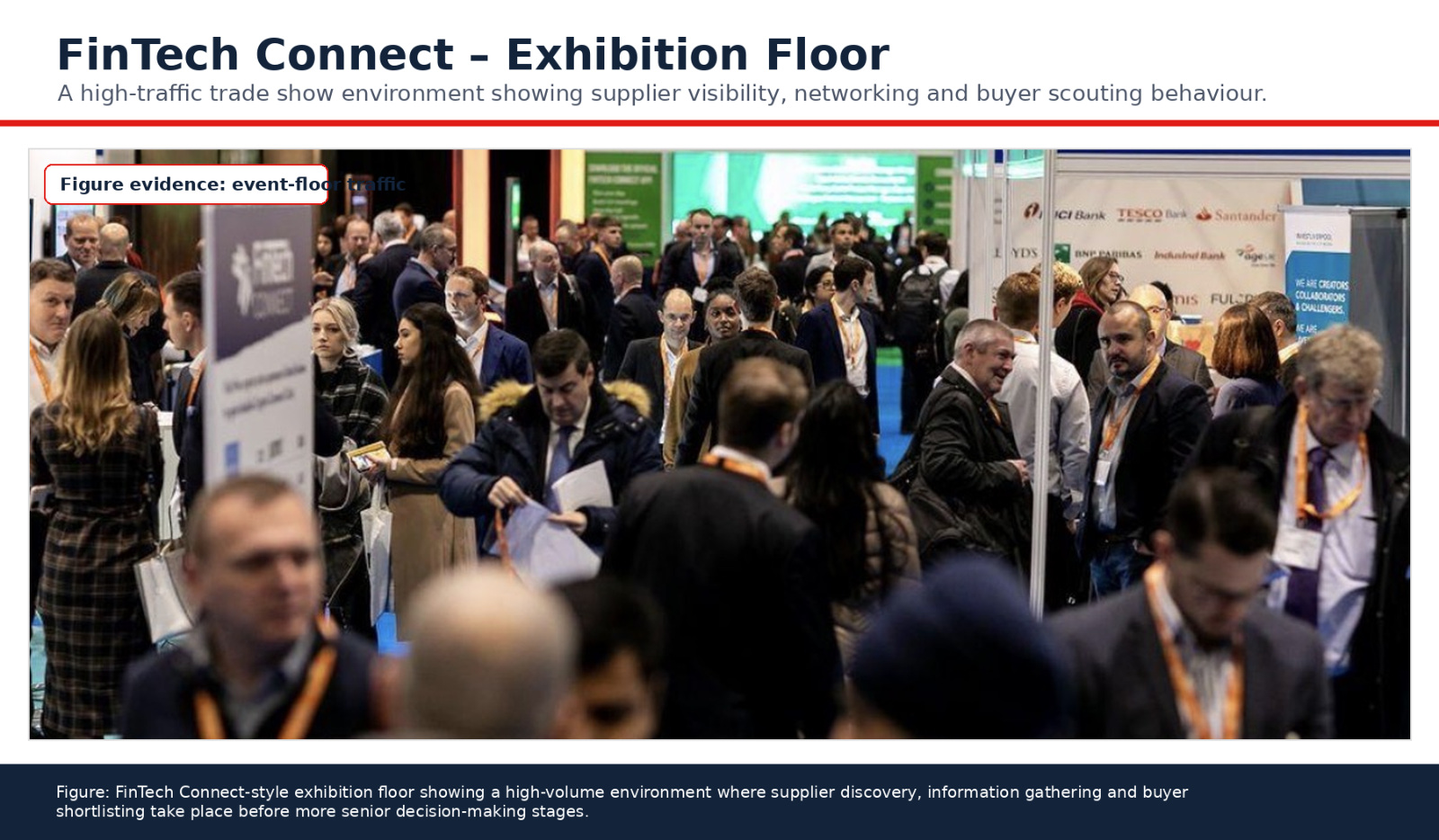
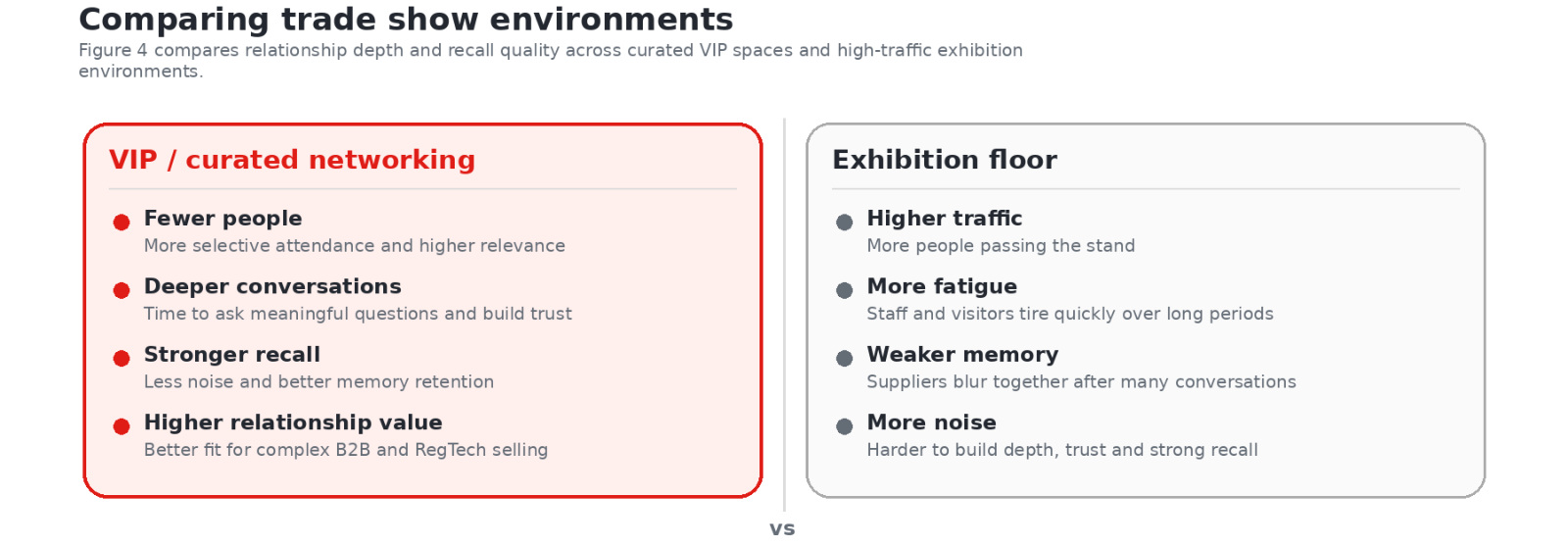
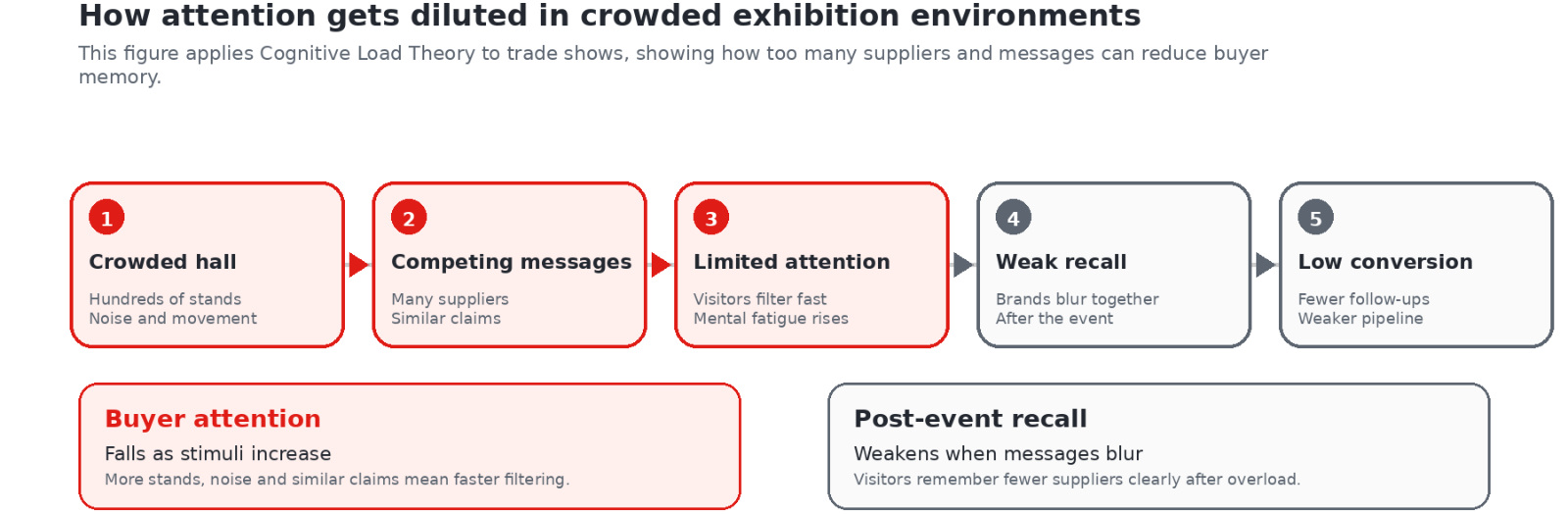
There is also a human limit to the exhibition floor. Buyers hear dozens of pitches, staff get tired, and competing messages blur together. A quieter conversation or a thoughtful speaking contribution may create more value than another bowl of mints beside a bigger screen.
The practical measures should follow that logic: relevant conversations, agreed follow-ups, progression through the buying process and what the team learned. Footfall is a starting point, not a verdict. A competitor can copy a stand design. Earning trust takes longer.
Logistics makes the same point in a very practical way. The visitor may be trying to prevent a delivery problem rather than buy an impressive fleet of trucks. Operations, procurement and finance will see different parts of that challenge. A useful conversation listens for those concerns and gives the visitor enough clarity to carry the proposal back to colleagues.
There is a final communication lesson here too: the point that feels obvious to the writer may not be the point a reader takes away. If expert content and pre-arranged conversations are central to the strategy, they need to be unmistakable in the message. A useful response from a reader is evidence about how clearly the idea travelled.
References.
- Rackham, N. (1988). SPIN Selling.
- Morgan, R. M., & Hunt, S. D. (1994). The commitment-trust theory of relationship marketing.
- Lemon, K. N., & Verhoef, P. C. (2016). Understanding customer experience throughout the customer journey.