
As a self-confessed coffee slut, I have tested espresso across continents. One of my greatest coffee heartbreaks came in Italy itself, supposedly the homeland of caffeine purity: the best cup of that trip came from a Lavazza airport machine. Black Sheep Coffee at Heathrow disappointed me too. The marketing flirted shamelessly, all dark and mysterious, and then the cup left me high and dry.
Great coffee is about chemistry—but also connection, character and ritual. It has to evoke something. That is the sensory seduction experiential marketing celebrates (Pine & Gilmore, 1999). A brand builds anticipation, awakens the senses and, if it gets things right, leaves you satisfied but wanting more (Schmitt, 2010).
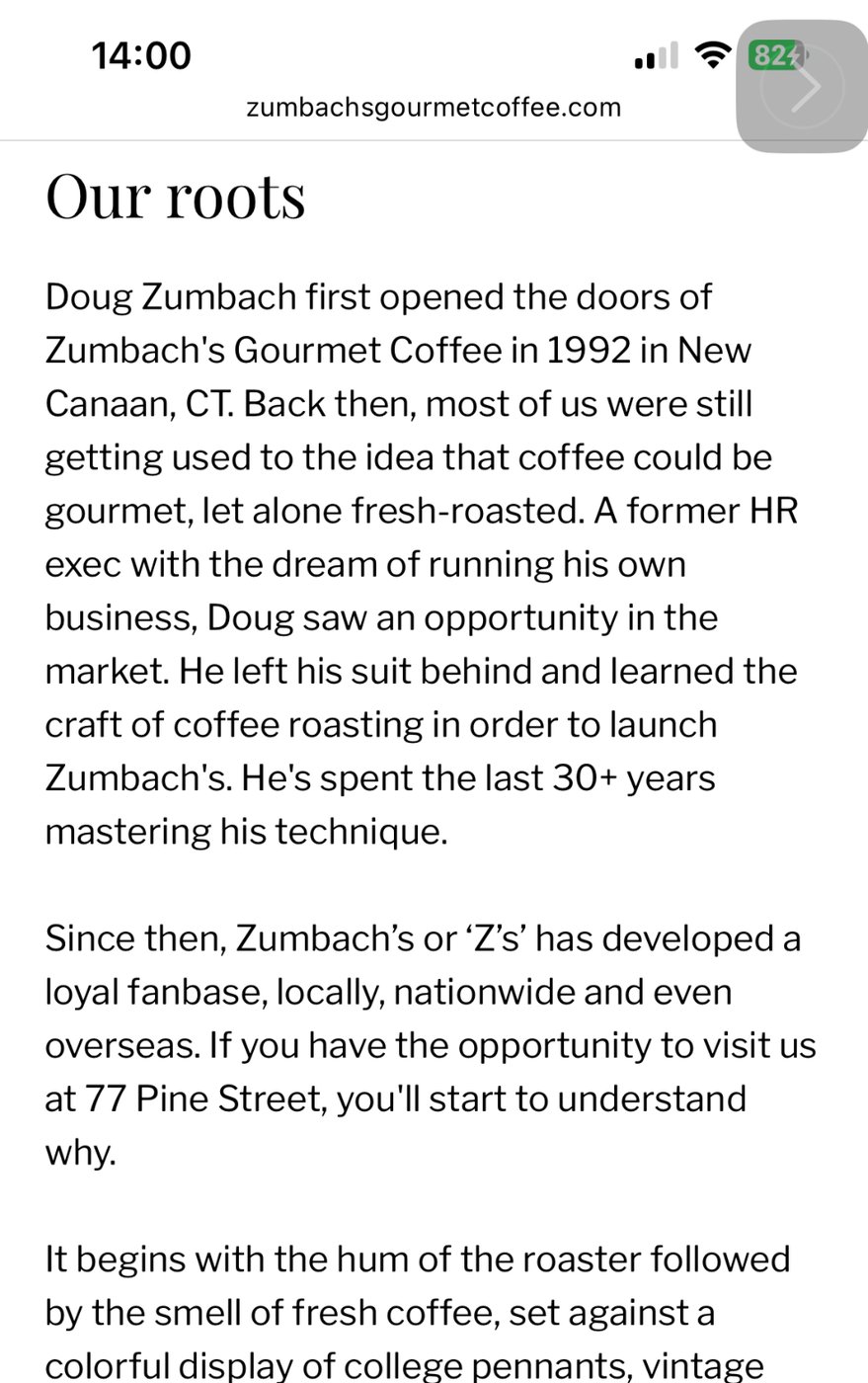
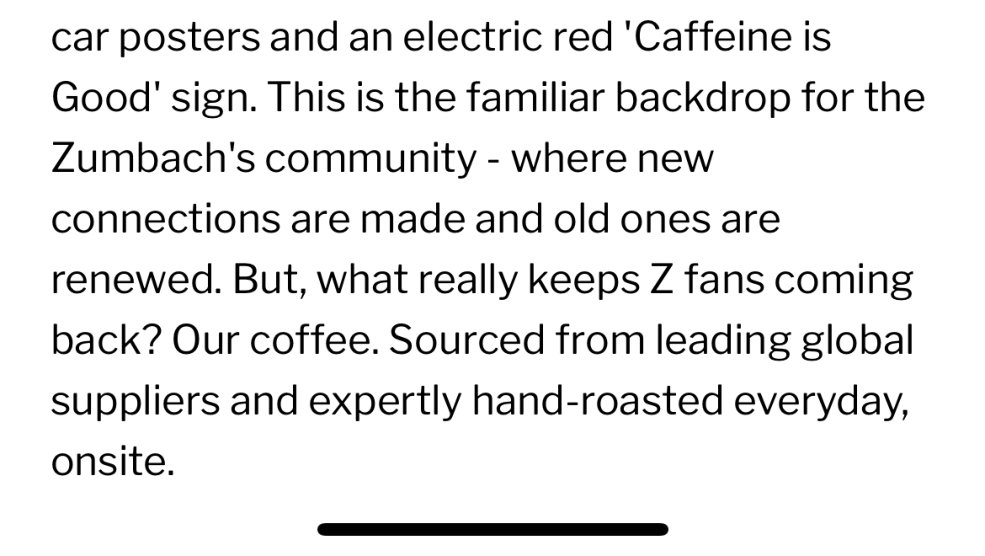
Zumbach’s Gourmet Coffee in New Canaan, Connecticut—Z Coffee to me—gets that feeling exactly right. I have proudly worn a Z bumper sticker like a membership badge in a “we are going steady” relationship. In my experience, the place did not bend over backwards to remove every inconvenience: cash, a phone-free atmosphere, a queue. Yet the ritual made those things feel worth it.
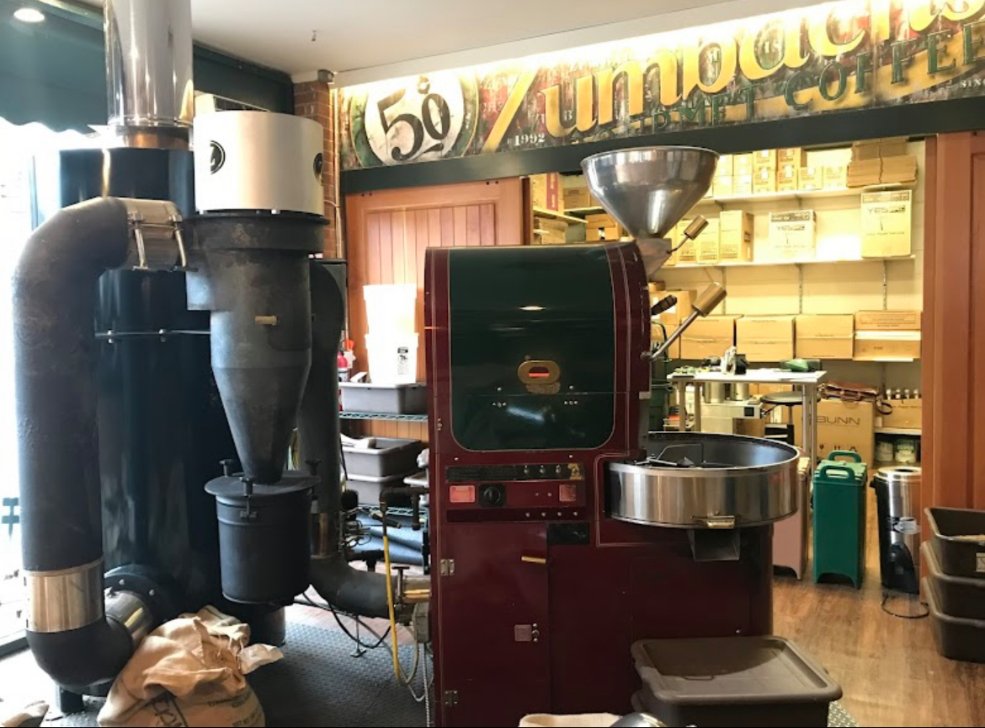
I remember the reassurance of “Don’t worry, you’ll be back” when cash was forgotten, and the smell of roasting beans pulling you towards the shop. It is a living illustration of sensory branding: scent as memory, memory as emotion, emotion as loyalty (Hultén, 2011). You do not just drink the coffee. You feel you belong to it.
I still remember a New York billboard from childhood that emitted the smell of coffee. I did not even drink coffee then, but I wanted one. The smell stayed with me long after the advertisement disappeared.
That is where cluster analysis could brew something interesting. Instead of assuming everyone is either a connoisseur or a grab-and-go customer, I would want to investigate what draws different people towards a cup. Some might respond most strongly to the visual tease: the pour, the crema, the swirl. Others to scent, warmth, texture, taste or the sound of steam.
Those sensory preferences are possible variables to investigate, not five clusters we can simply declare into existence. The groups would need to emerge from customer evidence, and a person may respond to several senses at once. Segmentation becomes useful when it helps us understand meaningful differences rather than merely assign attractive labels (Wedel & Kamakura, 2012).
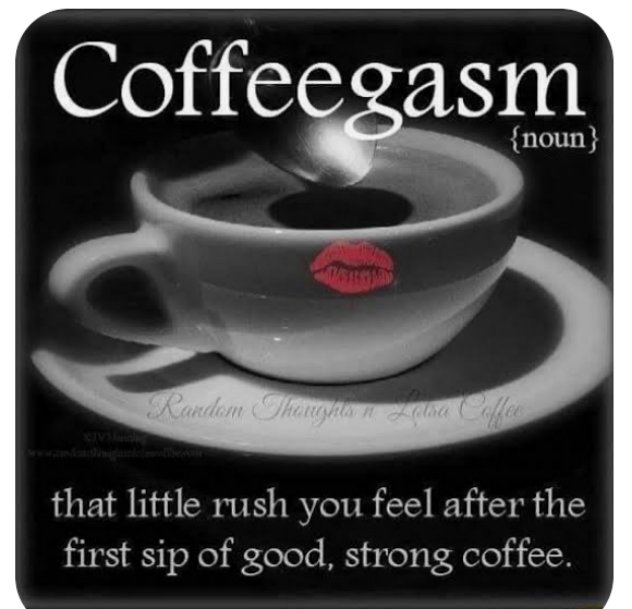
Coffee Kama Sutra, if you like. The point is to learn which combinations create anticipation and connection. Numbers matter, but the questions behind the numbers should leave room for pleasure, ritual and the attachment people build around a brand (Thomson, MacInnis, & Park, 2005).
The best coffee, like the best love affair, takes the time to learn what makes you tick—and leaves you dreaming of the next cup.





References.
- Hultén, B. (2011). Sensory marketing: The multi-sensory brand-experience concept. European Business Review, 23(3), 256– 273. https://doi.org/10.1108/09555341111130245
- Pine, B. J., & Gilmore, J. H. (1999). The experience economy: Work is theatre and every business a stage. Harvard Business School Press.
- Schmitt, B. (2010). Experience marketing: Concepts, frameworks and consumer insights. Foundations and Trends in Marketing, 5(2), 55–112. https://doi.org/10.1561/1700000027
- Thomson, M., MacInnis, D. J., & Park, C. W. (2005). The ties that bind: Measuring the strength of consumers’ emotional attachments to brands. Journal of Consumer Psychology, 15(1), 77–91. https://doi.org/10.1207/s15327663jcp1501_10
- Wedel, M., & Kamakura, W. A. (2012). Market segmentation: Conceptual and methodological foundations (2nd ed.). Springer.