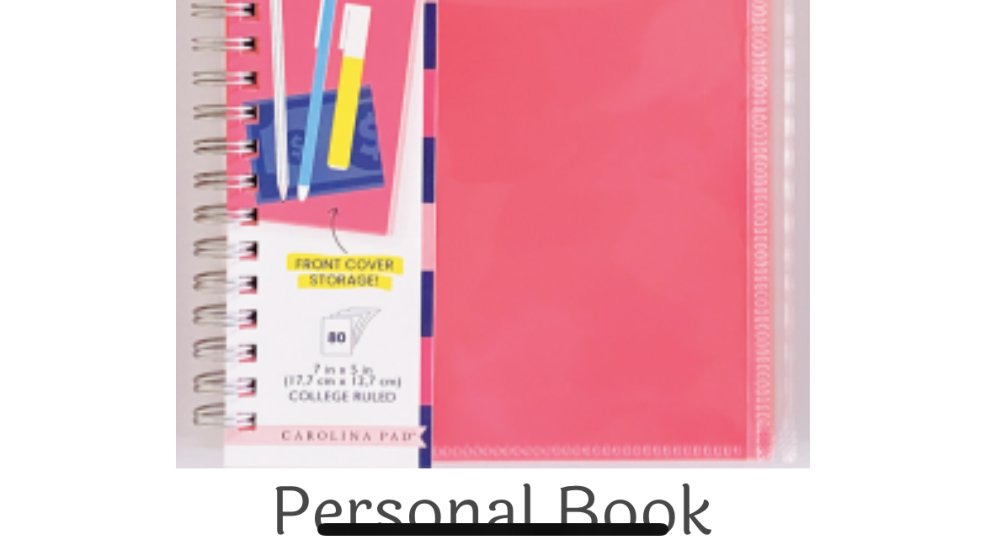
Carolina Pad’s relationship with parenting bloggers makes me feel like Whitlock had accidentally stepped into the early version of influencer marketing before anyone had really written the rules. Carolina Pad had a very small marketing budget, so partnering with mommy bloggers was actually a smart and creative move. These bloggers had loyal readers who trusted their opinions about everyday products. It is basically the online version of asking a friend which notebook brand she buys for her kids before the school year starts. Word-of-mouth recommendations like this are extremely powerful in marketing because consumers tend to trust people more than traditional advertisements (Kotler & Keller, 2016). The ethical dilemma appears when some bloggers ask Carolina Pad to pay for travel to the Type-A Mom Conference in exchange for promoting the brand. At that point the situation moves into ethically complicated territory. The chain reaction is simple: a reader trusts a blogger, the blogger recommends a notebook, and the reader assumes the recommendation is independent.
But another relationship sits behind that recommendation: the brand funds conference travel, and the blogger promotes the brand.
If readers do not know about that relationship, the promotion starts to look like hidden advertising. This is where the first major ethical issue appears: transparency. When bloggers receive money, gifts, or sponsored travel from a company, there is what regulators call a material connection. The Federal Trade Commission explains that these connections should be clearly disclosed so audiences understand that the recommendation may be influenced by compensation (Federal Trade Commission, 2023). Without disclosure, readers might believe the recommendation is purely personal when in reality it is part of a marketing relationship. Another ethical issue is trust, which is basically the currency of blogger and influencer marketing. Mommy bloggers built their influence because readers believed they were authentic and relatable. If readers later discover that a recommendation was sponsored but not disclosed, both the blogger and the brand could lose credibility. Disclosure changes how audiences recognise and evaluate persuasion (Boerman, van Reijmersdal, & Neijens, 2012). My concern is simple: people dislike feeling tricked. A marketing framework also helps explain the situation. The PESO model divides communication into four types of media.
Earned media = bloggers voluntarily writing about products they like
Shared media = blog posts spreading across social platforms
Owned media = Carolina Pad’s own website and brand messaging
Paid media = payments, sponsorships, or funded travel
Whitlock originally benefited from earned media, which feels authentic because bloggers choose to talk about the product. Once conference travel sponsorship is introduced, the strategy shifts into paid media. Paid media is not unethical on its own, but ethically it should be transparent so consumers know it is promotional.
Whitlock therefore had several possible options. She could pay for bloggers to attend the conference without requiring disclosure, which might create fast exposure but carries the risk of misleading readers. She could refuse to pay for travel and simply continue sending products to bloggers for voluntary reviews. She could also sponsor bloggers’ attendance while requiring them to clearly disclose that Carolina Pad funded the trip. Finally, she could avoid blogger sponsorship completely and focus on other marketing channels, although Carolina Pad’s limited budget makes large advertising campaigns difficult.
Personally, the best option seems to be sponsoring bloggers while requiring clear disclosure. This approach allows Carolina Pad to benefit from the bloggers’ reach while protecting consumer trust. Readers would still hear about the products from someone they follow, but they would also know that the brand sponsored the trip. Transparency keeps the relationship honest and protects the credibility of both the blogger and the company.
Also, if the internet has taught us anything, it is that secrets rarely stay secret for long. If the sponsorship became public later without disclosure, the damage to Carolina Pad’s reputation could easily outweigh any short-term marketing buzz. From a marketing perspective that is a classic example of sacrificing long-term brand trust for short-term promotion. In the end, influence works best when audiences believe the person giving the recommendation is being honest.

References.
- Boerman, S. C., van Reijmersdal, E. A., & Neijens, P. C. (2012). Sponsorship disclosure: Effects of duration on persuasion knowledge and brand responses. Journal of Communication, 62(6), 1047–1064.
- Federal Trade Commission. (2023). Endorsements, influencers, and reviews. https://www.ftc.gov/business-guidance/advertising-marketing/endorsements-influencers-reviews
- Kotler, P., & Keller, K. L. (2016). Marketing management (15th ed.). Pearson.