
Thinking about Under Armour feels like hitting rewind on a cassette tape. Suddenly I am back in that office in Baltimore. I remember being excited because it was one of the first companies that really let me run with my ideas. My ideas can get wild, but that was part of the energy: people were willing to try different things.
That willingness to experiment extended beyond marketing into the supply chain. My job involved helping move products from manufacturers to consumers, and what stood out was the openness to new approaches. Under Armour was still a young company. If an idea might move product faster or get people talking, the attitude was often: why not try it?
I used to joke that Kevin Plank was less of a plank and more of a springboard. Instead of slowing ideas down, he launched them forward. Building something from scratch without waiting for someone else’s playbook feels very Baltimore to me. By 2013 Under Armour was already competing with giants such as Nike and Adidas, but there was room to grow in women’s apparel. Murray and Saghian (2016) describe sales of about $2.3 billion, of which around $500 million came from women’s apparel. That gap was like playing pickup basketball and noticing that nobody was guarding the lane. If you see the opening, you take the shot.
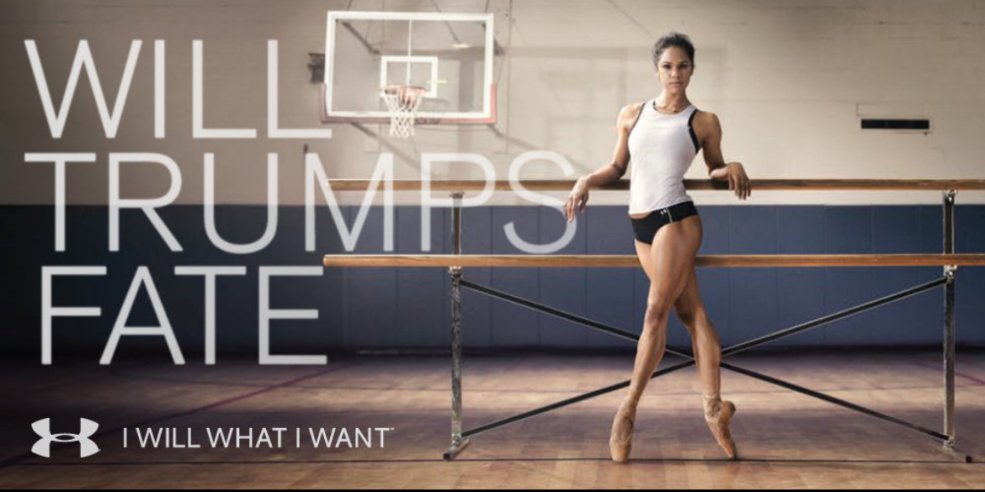
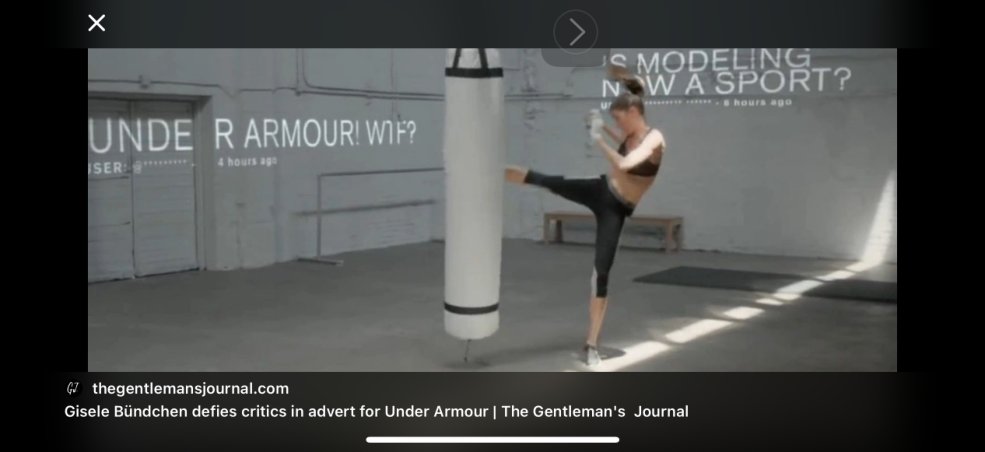
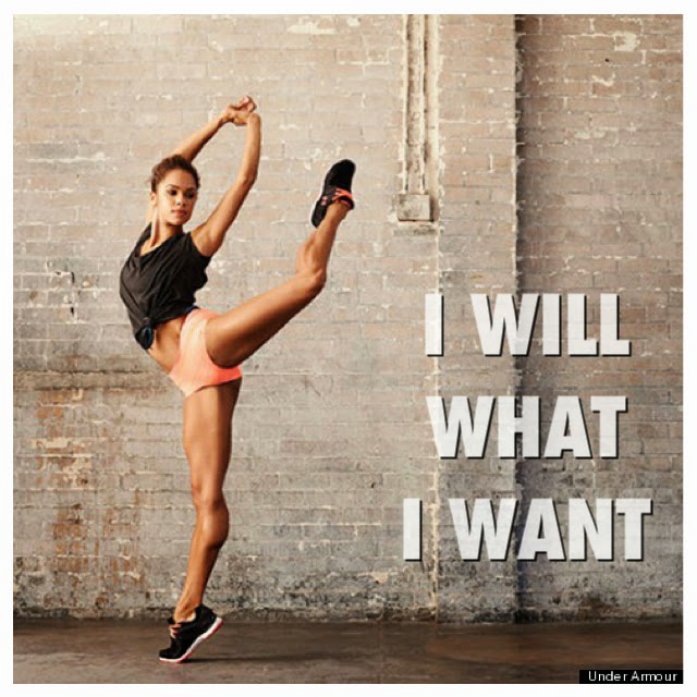
The $15 million “I Will What I Want” campaign featured figures including model Gisele Bündchen and ballet dancer Misty Copeland across television, online media and social platforms (Murray & Saghian, 2016). The choice of people mattered. Copeland’s story of challenging expectations in ballet fitted the campaign’s determination to push past other people’s limits.
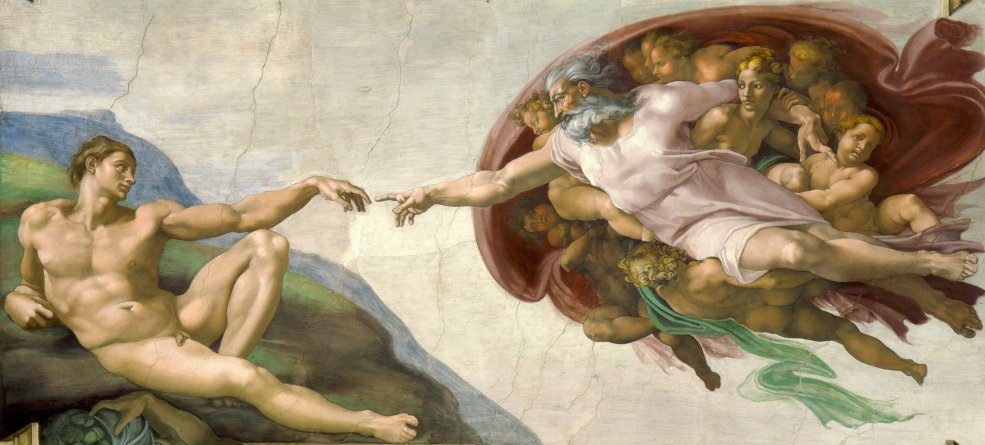
It reminds me of Nas’s “I Can”: “I know I can be what I wanna be, if I work hard at it, I’ll be where I wanna be.” That is a message people can get behind, from those already in the big league to those who aspire to reach it.
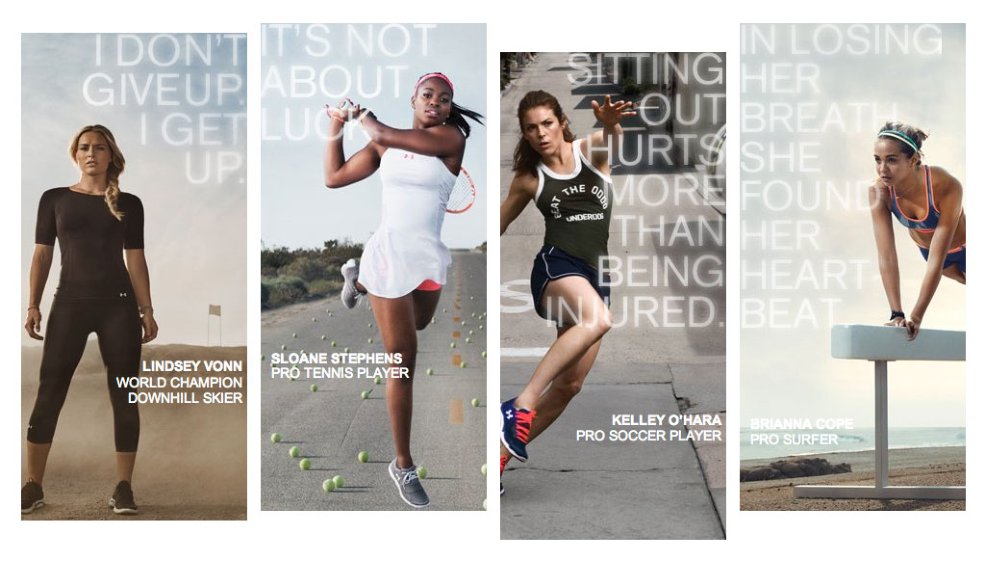
The strategic question is how to combine that star power with everyday experience. I think the smartest answer is a mix. Celebrity athletes bring attention, credibility and aspiration. The source-credibility idea helps explain why a recognised expert or role model can give a message weight (Kotler & Keller, 2016). Someone like Copeland signals exceptional performance.
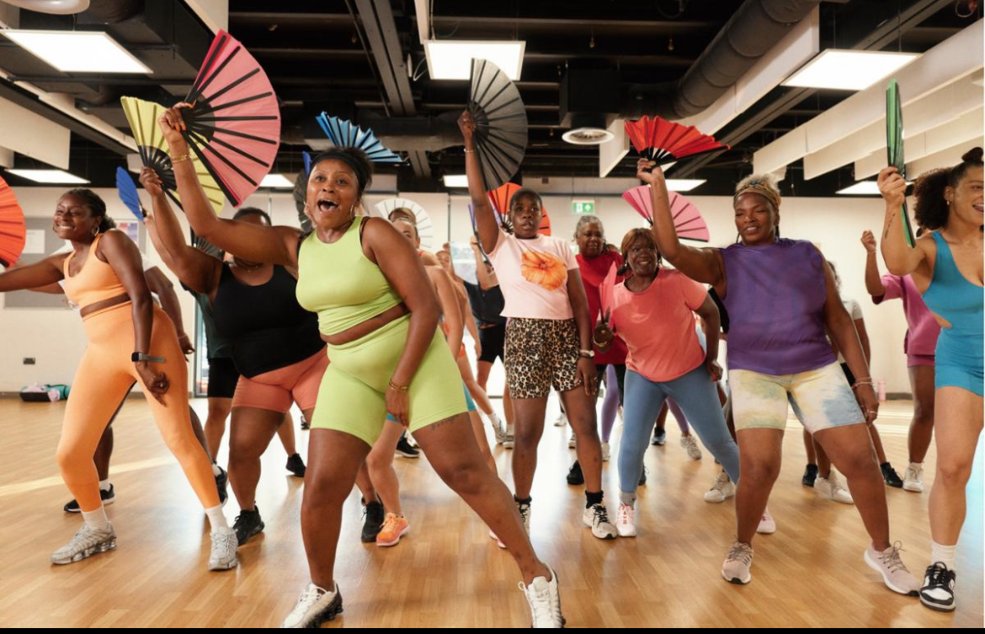
Everyday athletes can add relatability. A person with a recognisable routine, struggle or ambition gives the audience another way into the story. Research into social-media influencers adds a useful perspective on the people who shape these conversations (Freberg et al., 2011). For a Baltimore comparison, think about Ravens football: the quarterback may get the spotlight, but everybody knows the whole team matters.
Celebrity athletes offer inspiration, star power and global visibility. Everyday athletes offer relatable stories, community engagement and the possibility of a more immediate connection. Together they can create aspiration and authenticity.
The same logic supports a coordinated mix of channels. The Port of Baltimore is a useful analogy: ships, trucks, rail and warehouses all have different jobs, but cargo depends on the connections between them. Marketing messages also move through different places in people’s lives. The channels need to reinforce each other rather than compete to repeat the same thing.
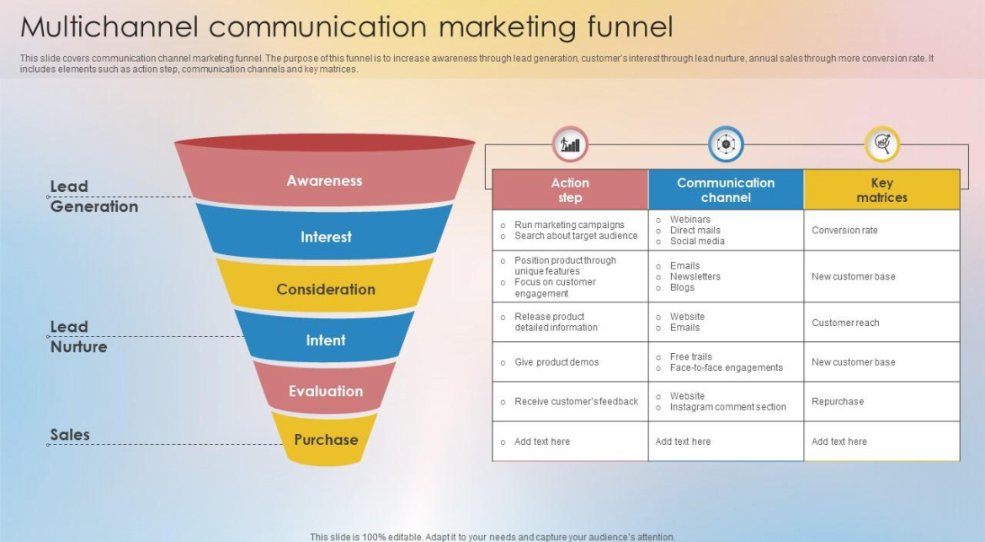
A celebrity can attract attention. Social media can turn attention into conversation. Community stories can help build trust. A clear purchase route can then help an interested person act. That is a way to think about the journey, not a guarantee that everyone will follow the same path.
Integrated marketing communications asks brands to coordinate their messages because people move between platforms and touchpoints (Kotler & Keller, 2016). Anyone who has been to a Baltimore crab feast will recognise my slightly less elegant image: one crab tries to climb out of the bucket while the others pull it back. Nike, Adidas and Under Armour compete for attention in a similarly crowded space.
Under Armour found a way to stand out through storytelling, social conversation and community. To me, the interesting part was not simply the amount spent. It was how the message travelled.
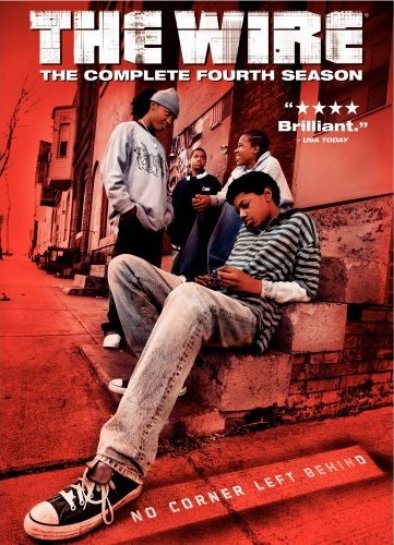
There is a Baltimore comparison in The Wire too. Information moves through networks, layer by layer, until everybody seems to be talking about it. Awareness becomes conversation; conversation can lead to engagement; engagement can help a commercial relationship develop. I mean the network effect, obviously, not the illegal parts.
Sometimes I think of Under Armour as the Tupac Shakur of activewear. Both carry something of Baltimore in their story, and both make me think of a rebellious, prove-it attitude. Respect the hustle, understand how things have been done, then find your own lane. That spirit comes through in “I Will What I Want”.
My instinct is to keep the combination: celebrity athletes to spark attention, everyday athletes to create connection and coordinated channels to keep the message moving.
That feels very Baltimore. Some people get the spotlight, but everyone respects the people putting in the work behind the scenes.




References.
- Freberg, K., Graham, K., McGaughey, K., & Freberg, L. (2011). Who are the social media influencers? Public Relations Review, 37(1), 90–92.
- Kotler, P., & Keller, K. L. (2016). Marketing management (15th ed.). Pearson.
- Murray, M., & Saghian, M. (2016). Under Armour’s Willful Digital Moves. Harvard Business Publishing.